
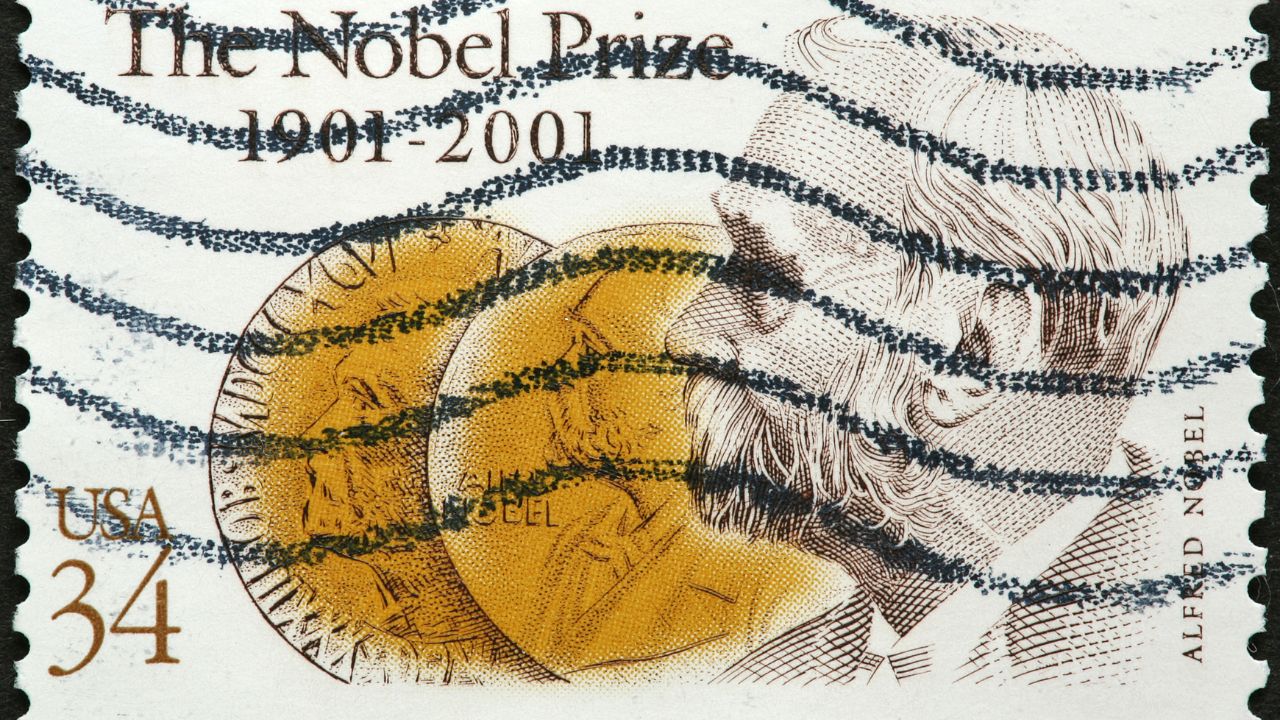
Every Nobel Prize season is a reminder that scientific breakthroughs rarely fit neatly inside borders. In 2025, that point was especially clear in the United States: three of the six American winners across the Nobel science categories were immigrants. Their stories underline how often U.S. innovation is powered by people who first arrived as international students, early career researchers, or newly settled families pursuing opportunity.
For readers following the immigration conversation, these awards also highlight a practical reality: talent moves, and when the United States attracts it, American universities, labs, and companies tend to benefit. USAFIS often hears from applicants who want to build a future in the U.S. through study and professional pathways, and the 2025 Nobel results show what those pathways can unlock at the very highest level.
The 2025 Nobel science winners who immigrated to America
In chemistry, the only U.S. Nobel laureate in 2025 was Omar M. Yaghi, an immigrant who built his career in American research institutions and is associated with UC Berkeley. His work helped advance metal organic frameworks, engineered structures that can be designed with spacious internal architectures. These materials open the door to practical applications that matter globally, from capturing carbon dioxide to improving chemical processes and even harvesting water from very dry air.
In physics, two of the three U.S. recipients were also born outside the country. Michel H. Devoret, originally from France, and John Clarke, born in the United Kingdom, shared the award with U.S. born John M. Martinis. Their recognized work focused on quantum behavior in electrical circuits, findings that feed directly into the next wave of technologies being developed today, including quantum computing, quantum sensing, and new approaches to secure communication.
Beyond the lab, these scientists also teach and mentor, multiplying their impact through students and research teams. That ripple effect is a big part of why immigration in science is not only about individual achievement, but also about the long term strength of the broader ecosystem.
A longer American pattern of immigrant driven discovery
The 2025 outcomes fit a wider historical pattern. Over recent decades, immigrants have represented a significant share of Nobel recognized scientific achievement in the United States, particularly in chemistry, physics, and medicine. The takeaway is not that success is guaranteed, but that opportunity plus access to world class institutions can accelerate the odds of major contributions.
Omar Yaghi’s story captures that dynamic vividly. As a teenager, he came to the U.S. alone, improved his English, started in community college, and worked jobs to support himself while pursuing chemistry. Over time, he advanced through U.S. higher education and research roles, eventually leading major scientific programs and mentoring other rising scientists.
For people planning a serious move, the lesson is simple: immigration can be a turning point, but only when the route is realistic, well-documented, and aligned with long-term goals. USAFIS helps individuals navigate U.S. immigration options with a focus on clarity and preparation, so applicants can pursue education, career growth, and stability with fewer surprises and stronger confidence.